
september 14, 2026
OpenMetadata and DataHub: which to choose?
In modern organisations, data has transformed into a key strategic asset. However, its value is unlocked only when it can be quickly found, correctly interpreted, and used with confidence. When spreadsheets, internal wikis, and chats no longer manage the scale of metadata, organisations require a professional Data Catalog. Among open-source solutions, two leaders stand out most: OpenMetadata and DataHub. In our practice, we have encountered scenarios where one tool performed brilliantly, whereas the other required excessive effort.
At first glance, OpenMetadata and DataHub solve the exact same tasks. Both provide end-to-end data lineage from the storage layer to the dashboard, powerful search tools with advanced filtering, as well as collaboration features — dataset discussions and task assignment. Both support a business glossary and Data Contracts, striving to formalise interaction between teams. This is the core functionality that makes them modern solutions rather than simple lists of tables.
However, under the hood lie fundamentally different architectural and philosophical approaches, which dictate the choice of a specific tool.
Comparison of tool architecture
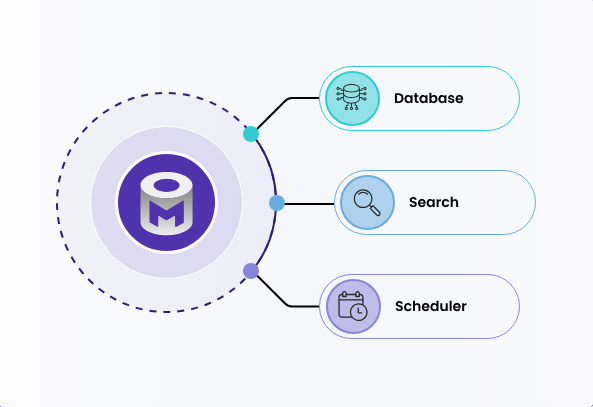
OpenMetadata was created with the idea of an out-of-the-box platform. Its architecture is simpler to deploy and manage. By default, it implements a simple metadata update model — a pull model using Apache Airflow. Metadata is updated according to scheduled Airflow tasks and requires no additional development. However, the catalog is not limited to the pull model and provides the ability to perform real-time updates via a REST API (push model). This requires the team to develop their own service to monitor changes in the source and send updates to the catalog. The extra effort is rewarded with a constantly up-to-date catalog.

DataHub comes with its own Ingestion Framework, implemented in Python. Metadata collection takes place on a schedule and can be integrated with Airflow (pull model). To implement a push update model, DataHub suggests building a custom service that sends schema change events to Kafka or submits requests via a REST API.
Data governance and data quality
OpenMetadata relies on built-in data governance tools as an integral part of the product. The user interface directly leads from a dataset to viewing Data Quality tests, checking a contract, or editing the glossary. Its native Data Quality framework offers dozens of ready-made tests, which accelerates adoption and minimises the need for custom development.
DataHub focuses on flexibility and integration with the best tools in the ecosystem. For Data Quality tests, it suggests using familiar data validation libraries — Great Expectations and dbt test. Its Actions Framework allows teams to program automated reactions to events independently. This is a powerful approach for mature engineering teams, but it requires custom development and configuration.
Data discovery and collaboration
OpenMetadata strives to be as clear as possible for a wide range of users — from analysts to data engineers. The focus on UX is visible in its search and collaboration interfaces (the ability to create tasks, announcements, and discussions) and in concepts such as Tier — classifying asset importance for the business.
DataHub provides deep search control via a GraphQL API and advanced filtering capabilities, allowing developers to integrate the catalog into their internal tools. For added convenience, users can add custom filters. Its strength lies in programmability, which may be excessive for teams that simply need a great out-of-the-box interface.
Final tool selection
Both tools are an excellent choice, but for different teams. OpenMetadata is a comprehensive solution for managing data as a product that you receive «turnkey». DataHub is a powerful, programmable foundation for building your own unique metadata management ecosystem.
Choose OpenMetadata if:
- Your priority task is to launch a catalog quickly that will immediately start delivering value to business users;
- Data governance, quality, and contracts are specific project goals. You need a platform where these functions are the core value rather than optional add-ons;
- You do not have a dedicated team for deep customisation, and you value ease of operation.
Choose DataHub if:
- Your organisation already possesses a mature, engineering-oriented data platform. You need not just a catalog, but a central metadata event hub for process automation;
- Real-time metadata currency is critically important for your processes, for example, for operational tracking of incidents in ETL pipelines;
- You are ready to invest in Kafka expertise and custom development to squeeze the maximum out of a flexible architecture.
